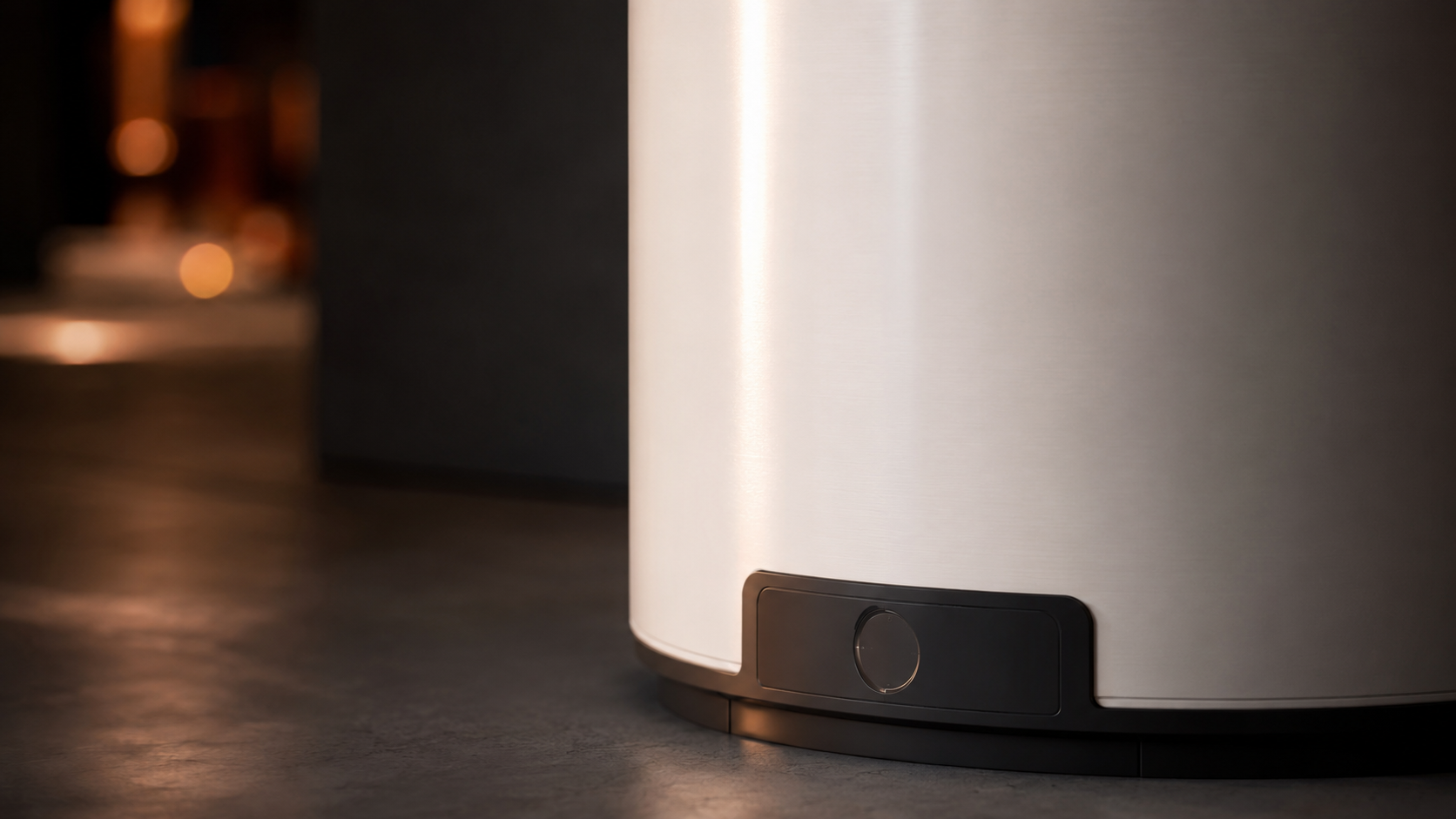
Tankless water heaters can be an excellent fit, but they are not automatically the best choice for every home. The decision should be based on fuel supply, venting, incoming-water temperature, simultaneous fixture demand, maintenance expectations, and the condition of the existing plumbing.
This guide is based on Greg’s field experience diagnosing and repairing plumbing, steam, and hydronic systems in Scranton-area homes. Site conditions and equipment instructions control the final recommendation.
Where tank water heaters make sense
A conventional tank offers stored hot water, familiar service requirements, and often a simpler replacement when venting and utility connections are already suitable. Recovery rate and tank size should match household demand.
Where tankless systems stand out
A correctly sized tankless unit can provide long-duration hot water while reducing standby storage losses. It needs enough gas or electrical capacity, approved venting, condensate disposal when applicable, and sufficient flow to activate and satisfy the fixtures being used.
Cold NEPA groundwater affects sizing
Published flow rates depend on the required temperature rise. Colder incoming winter water means the heater must add more heat, which reduces the gallons per minute a tankless unit can deliver at the desired outlet temperature.
Water Heater Replacement Scranton, PA
Water heater replacement in Scranton, PA for gas, electric, power-vent, tank, and tankless systems with pressure, expansion, and venting checks.
Frequently asked questions
Does tankless mean unlimited hot water?
It can run for long periods, but only within its maximum flow rate and temperature-rise capacity.
Do tankless heaters need maintenance?
Yes. Water quality, scale, inlet screens, combustion components, and condensate systems may require periodic service.